You'll discover Henson Architecture approaches historic structures with careful study, determined treatments, and a concentrate on long-term energy. You'll see original materials documented, code upgrades took care of sensitively, and flexible reuse techniques that maintain personality while satisfying today's demands. Their work ties sustainability to stewardship and trains locals to keep what's restoration architect Henson Architecture saved-- so you'll need to know how they stabilize conservation, safety, and brand-new purpose.Understanding Historical
Material: Research and Paperwork By starting with detailed research and cautious documents, Henson Architecture premises every conservation task as a matter of fact you can trust.You'll see just how their method to architecture combines historical research with on-site forensic investigation to map materials, building techniques, and modifications over time.When you analyze a facade, they'll trace paint layers, mortar blends, and historical joinery to figure out original intent and later interventions.They speak with records from the New York Landmarks Conservancy and local landmarks documents to confirm significance, consisting of obvious symbols like a Broad Street landmark or quieter area treasures.You'll appreciate just how innovation sustains accuracy: electronic recording, determined drawings, and photogrammetry make sure treatments regard credibility while giving you clear, functional documentation for stewardship.Balancing Conservation With Modern Code Requirements When updating a historic structure, Henson Architecture equilibriums regard for original textile with current safety and security, access, and energy codes so you get a structure that's both authentic and compliant.You'll deal with experts that translate codes with a conservation lens, seeking remedies that meet laws without getting rid of character.You'll see mindful interventions: discreet seismic upgrades, relatively easy to fix ease of access ramps, and power renovations that protect historic materials.Henson negotiates with code officials, documents similarities, and uses performance-based methods when authoritative techniques would certainly damage significance.Throughout, you continue to be associated with choices connecting safety and security to stewardship, and you get clear choices with price, influence, and upkeep implications.The result safeguards passengers and heritage while honoring the structure's original story.Adaptive Reuse: Granting Old Buildings New Objective Although an old structure's bones might seem repaired, flexible reuse lets you reimagine its purpose while maintaining its historical personality intact.You'll evaluate original layouts, materials, and craftsmanship to discover brand-new features-- loft space apartment or condos, galleries, or community hubs-- without erasing heritage.You'll focus on treatments that expose initial attributes: exposed beam of lights, masonry  , staircases.You'll coordinate with stakeholders to align programmatic needs with conservation objectives, crafting services that appreciate proportions, sightlines, and ornamentation.You'll upgrade systems quietly so historic fabric remains clear, and you'll select reversible modifications when possible to preserve future options.Sustainable Techniques for Long-Term Strength Because protecting historical buildings indicates preparing for the future, you'll use sustainable techniques that boost durability, reduce environmental impact, and respect original fabric.You'll prioritize materials that match original efficiency but have reduced embodied carbon-- restored bricks, lime-based mortars, and sustainably sourced timber-- so interventions are reversible and compatible.You'll improve energy performance discreetly: interior insulation where walls permit, high-performance glazing in additional frameworks, and efficient cooling and heating that prevents covering historical features.You'll include passive approaches-- all-natural air flow, daylighting, and shielding-- to reduce operational power without modifying character.You'll check moisture and structural wellness with noninvasive sensors, allowing targeted maintenance that expands lifespan.Community Collaboration and Cultural Stewardship Involve neighborhood communities early and you'll transform preservation tasks right into shared stewardship-- citizens, chroniclers, craftspeople, and civic leaders
 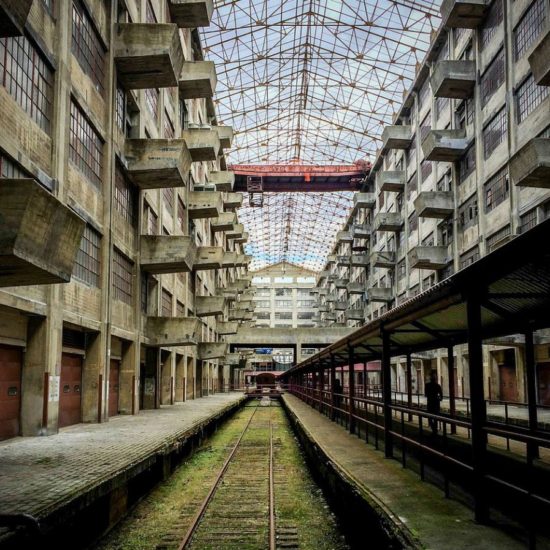 bring understanding, worths, and beneficial interest that maintain historical locations relevant.You'll listen to memories and useful requirements, then weave them right into layout choices that recognize credibility while suiting contemporary use.You'll create boards of advisers, host workshops, and fund neighborhood training so traditional skills make it through and tasks develop around conservation.You'll coordinate with social companies to record tales, artifacts, and events connected to websites, making analysis component of the plan.By sharing decision-making, you'll develop trust, lower dispute, and make sure lasting care.This collaborative design positions Henson Architecture as a steward of cultural heritage and timeless design.Conclusion You'll leave historic locations more powerful and more meaningful when you integrate careful research study, reversible upgrades, and thoughtful new usages. Henson Architecture shows you exactly how to safeguard initial products, fulfill codes, and make use of sustainable approaches so structures endure. By engaging communities and training neighborhood guardians, you ensure social values persist and websites remain helpful and available. With each other, you guard heritage for future generations while keeping areas lively, durable, and cherished.
Name: Henson Architecture
Address: 27 W 20th St #1201, New York, NY 10011
Phone: (212) 995-2464
Website: https://www.hensonarchitect.com/